
Improving Google rankings can be a daunting challenge, especially for SEO agencies working in competitive local and national markets. With businesses vying for the top spots, it’s tough to stand out. Whether you’re helping a local coffee shop or a multi-location franchise, the obstacles to improving visibility are real. Factors like location relevance, keyword competition, and user experience all play crucial roles in determining where your client ranks.
So, what are the most important factors for local SEO? Local listings, online reviews, and NAP (name, address, phone number) consistency are key ranking drivers. SEO agencies can make impactful changes for their clients by focusing on these areas. Strategies like optimizing Google Business Profiles, enhancing local content, and building authoritative backlinks can help clients dominate their regional markets.
But SEO is time-consuming. Manual work slows you down, especially when trying to target crucial bottom-of-funnel and location-specific pages. To bring fast results, you need practical, scalable strategies that work without wasting hours on repetitive tasks.
In this blog, we’ll discuss five actionable on-page SEO techniques to boost your Google ranking, including deep keyword research, city-specific landing pages, and optimizing metadata for local searches. We’ll also cover enhancing mobile search and developing a strong internal and external linking strategy to improve your website’s visibility.
Key Factors to Focus to Raise Google Search Ranking

Google’s ranking system evaluates websites based on various factors by scanning pages to determine their relevance and authority. Signals like content quality, mobile-friendliness, site speed, and backlinks are crucial for boosting a website’s visibility. The search algorithm aims to deliver the most relevant results, and balancing these factors helps meet Google’s evolving standards.
For companies that cater to certain areas or cities, local SEO is crucial. Managing clients across different locations adds complexity, as each location has unique audiences, competition, and keyword demand. Customized strategies are needed for every location, such as optimizing Google Business Profiles, managing local citations, and creating location-specific content. This will help you to drive traffic and improve rankings for each branch.
To rank multiple business locations, agencies need geo-targeted landing pages that highlight each branch’s services and local presence. This information must be optimized with local keywords and accurate business information.
However, creating these pages manually can be time-consuming, but SERPs Mass page builder software simplifies the process by automating the production of geo-targeted pages.
This tool allows agencies to handle large-scale local SEO projects efficiently, focusing on strategy while ensuring each page adheres to best practices. Through this automation, clients can achieve higher rankings across all locations.
Why Core Web Vitals Matter for SEO

Google has increasingly emphasized page experience as a ranking factor. A website with poor scores in these areas can experience a loss in rankings, even if the content is top-notch and relevant. By improving your Core Web Vitals, your website ranks higher in Google search results, drives more organic traffic, and enhances your visibility in search results. Here is how to optimize the loading speed, interactivity, and visual stability of your website:
- Improve LCP – Compress images, use lazy loading for images and videos, and implement server-side optimizations like a Content Delivery Network (CDN).
- Improve FID – Minimize JavaScript execution time and reduce third-party code that slows down interactivity.
- Improve CLS – Ensure that elements on your page have set sizes (like images and ads) to avoid shifting content during page load.
Tools for Measuring Core Web Vitals
To measure and improve these metrics, use tools like Google PageSpeed Insights and Lighthouse. These tools will analyze your page and provide specific recommendations for improvement.
Long-Term SEO Success
Optimizing your web vitals centers around improving your Google ranking and creating an amazing user experience. A site that loads quickly, responds well, and remains visually stable leads to lower bounce rates, higher engagement, and better overall performance. These factors ultimately contribute to your long-term SEO success.
The Role of Search Intent and Location-Specific Queries
Understanding search intent and local queries is crucial for businesses aiming to boost their online presence in today’s digital world. Search intent refers to the purpose behind a user’s search, while location-specific queries help find information relevant to a particular area.
There are four primary types of search intent:
- Informational, where users seek knowledge (like “What is avocado toast?”)
- Navigational, where they look for a specific website (such as “Starbucks near me”)
- Transactional, where users intend to make a purchase (for instance, “Buy avocados online”)
- Commercial investigation, where they research options before deciding (like “Best avocado brands”).
Recognizing these different types of search intent allows businesses to tailor their content effectively.
Location-specific queries, such as “best avocado shop in California,” show a user’s desire to find local products or services. Optimizing for these queries can greatly impact a business’s online visibility.
When businesses include location-based keywords, they enhance their chances of ranking higher in search results. Localized content can attract users who are more likely to convert.
For example, a blog post titled “Top 5 Avocado Dishes in California” can drive local traffic and engage customers looking for specific information. Moreover, relevant content improves user satisfaction, leading to a higher likelihood of return visits.
Additionally, many businesses tend to overlook local SEO, which presents an opportunity for those who prioritize localized content to differentiate themselves from competitors.
Knowing how to do local SEO is essential for businesses looking to connect with a local audience. It increases visibility, fosters engagement by resonating with local consumers, and results in higher conversion rates. This is because users are more inclined to take action when they find content that addresses their specific location and needs.
5 Actionable On-Page SEO Techniques to Boost Google Ranking
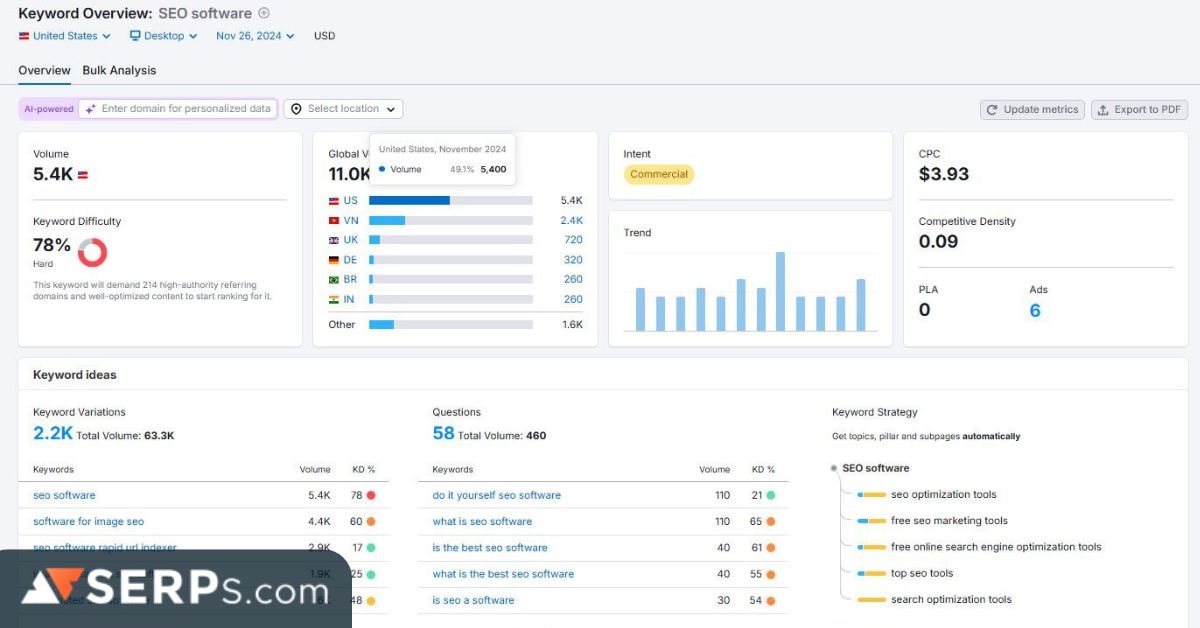
Enhancing your local and national SEO strategy is vital for improving online visibility and attracting customers. Here are five key areas to focus on for effective search engine optimization.
By focusing on these areas, companies can build a strong foundation for their SEO efforts, catering to localized queries and broader searches.
Key Areas to Focus On:
- Deep Keyword Research for Local and National Queries
- Create City-Specific Landing Pages
- Optimize Metadata for Local Search
- Optimization for Local Search on Mobile
- Develop an Internal and External Linking Strategy
1. Deep Keyword Research for Local and National Queries

Deep keyword research improves local and national SEO strategies. This approach includes finding keywords matching hyperlocal and larger search inquiries to ensure your content satisfies audience demands.
For effective keyword research, you can use Google Keyword Planner, Ahrefs, or SEMrush to compile a list of company keywords. Once keyword research is done, try incorporating long-tail (more specialized phrases) and short-tail (broad terms) keywords.
A short-tail keyword can be “tax attorney,” whereas a long-tail can be “tax attorney in Los Angeles.” The latter targets a specific location and better conveys user intent.
Local SEO generally benefits from long-tail keywords since they signal a user’s intent to interact or buy. Someone searching for “best tax attorney in California” is generally more along in their decision-making process than someone searching for “tax attorney.”
Targeting long-tail words can bring in more qualified prospects who are looking for your services. Make sure that long-tail keywords are organically interwoven into website content, notably titles, headers, and the meta description. This increases your search rankings and user experience by offering relevant content that suits their demands.
Additionally, you can use Google’s autocomplete and “related searches” at the bottom of the search results page to go further. These tools can help you capture hyperlocal searches by showing what local clients are searching for.
You can also use forums and social media to learn about community issues and then try to answer those search queries as keywords in your content.
2. Create City-Specific Landing Pages

Businesses that want to reach local customers and boost SEO should create city-specific landing pages. These pages should offer localized value while avoiding search engine duplicate content penalties.
Start by researching each city or area you want to target to design successful location-based landing pages. This entails knowing local demographics, culture, and service demands.
Use local keywords like “best tax attorney in Los Angeles” or “plumber in San Francisco.” This boosts local search rankings and matches audience intent. But, each landing page needs distinct content. Instead of copying and pasting material across pages, write localized descriptions, testimonials, and services.
For example, if you’re a landscaping business, highlight local flora or specific environmental concerns relevant to that city. This approach enhances user experience and minimizes the risk of duplicate content penalties.
Hyper-localized content targets local viewers. This can include service-specific blogs that answer local queries, local news pieces that mention your services, and event tie-ins that demonstrate community participation.
Using local events in your content strategy helps enhance engagement. Sponsoring or participating in community events boosts brand visibility and community connection. Additionally, your images and content can reinforce your local presence by incorporating local landmarks and cultural allusions.
SERPs software automates the creation of SEO-optimized, city-specific landing pages for agencies looking to scale their local SEO efforts effortlessly across multiple locations. This tool streamlines the process by letting you customize templates with localized keywords and area-specific information. Agencies can save time and costs by automating the customization of landing pages for local audiences.
3. Optimize Metadata for Local Search

Create good title tags to optimize information for local search. These tags appear first in Google’s search results, so incorporating your location might attract local visitors.
Instead of “Best Pizza,” say “Best Pizza in [Your City].” This helps search engines evaluate your content’s relevancy and attract local users.
Write a good meta description summarizing your page and including your location and keywords. Such as “Enjoy amazing pizza in [Your City] at [Your Restaurant Name]. Order online for speedy delivery!” This method improves SEO and increases link clicks.
Besides title tags and a good meta description, use location modifiers in headers (H1, H2, etc.) to indicate that your content targets local consumers.
For example, if you run a flower shop in New York, utilizing headers like “Top Flower Arrangements in New York” tells visitors and search engines that your company serves the region, increasing the likelihood that your website will appear higher in local searches.
Finally, use business-related local keywords in meta tags. For example, if you own a gym, use tags like “Fitness Centre in [Your Neighbourhood]” or “Yoga Classes Near [Local Landmark].” This method may help you connect with local audiences seeking this service.
Your meta description should be optimized with local keywords to attract more local consumers and improve your search engine results. Consider what your potential customers are searching for and include those phrases in your title tags, meta descriptions, and headers.
4. Optimization for Local Search on Mobile

Today’s digital ecosystem requires mobile local search engine optimization as more customers utilize their phones for information and services. Mobile responsiveness affects website performance, user experience, and mobile-first indexing, making it crucial to local SEO.
A mobile-responsive website automatically adjusts to multiple screen sizes, giving consumers a good browsing experience on any device. This adaptability is important since slow-loading sites can cause significant bounce rates, lowering your search ranks.
In local searches, people want store hours and directions quickly; therefore, page speed is crucial. Faster loading times keep visitors interested and improve search rankings.
Furthermore, a positive mobile user experience encourages visitors to engage with your website, whether that engagement takes the form of a purchase, newsletter sign-up, or direct phone calls to your company.
Google’s move to mobile-first indexing means that search engines prioritize a website’s mobile version regarding ranking. Even with a great desktop version, your site may not score high in local searches if it’s not mobile-friendly.
Thus, mobile responsiveness, page speed, and user experience are essential for local SEO and ensuring potential consumers can locate and interact with your business on their mobile devices.
5. Develop a Linking Strategy to Rank Higher on Google

A good internal and external linking strategy is essential for customers’ multi-location presence and for a strong authority silo across location sites. Through an internal link, website hierarchy guides visitors and search engines to relevant material and distributes authority across sites.
To begin with, internal linking should be organized by generating a clear path between location pages. Each location page should link to a central “Locations” page if your customer has stores in different cities. Each location page can also link to associated site services or items. This enhances user experience and informs search engines of page relationships, boosting authority.
Descriptive anchor text for internal links is also helpful. Instead of generic phrases like “click here,” use location-specific terms with keywords related to the linked website. Use words like “Learn more about our services in [City Name]” to improve SEO and user experience.
It is equally necessary to design an external linking strategy in addition to internal linking. Promote backlinks from local companies, directories, and community groups. These external links might boost your local search rankings. Backlinks may also be earned by collaborating with local bloggers or influencers to promote your client’s locations.
Ultimately, a well-structured internal and external linking strategy will create a robust web of connections across your clients’ location pages. This will improve user navigation and SEO for your client’s multi-location presence, making it easier for potential consumers to locate and engage with each site.
4 Actionable Off-Page SEO Techniques to Boost Google Ranking
Off-page SEO is any work you do on domains other than your own that changes how your website ranks in search engine results pages (SERPs). Off-page strategies affect authority and publicity, but on-page search engine optimization is still something that many marketers put a lot of stress on.
Effective off-page SEO methods can help your site rank higher, get more visitors, and improve your brand’s image. To improve your Google ranking, use these four practical off-page SEO strategies:
- Build High-Quality, Localized Backlinks
- Get NAP Consistency Across Multiple Locations
- Guest Blogging for Multi-Location Clients and Building Trust
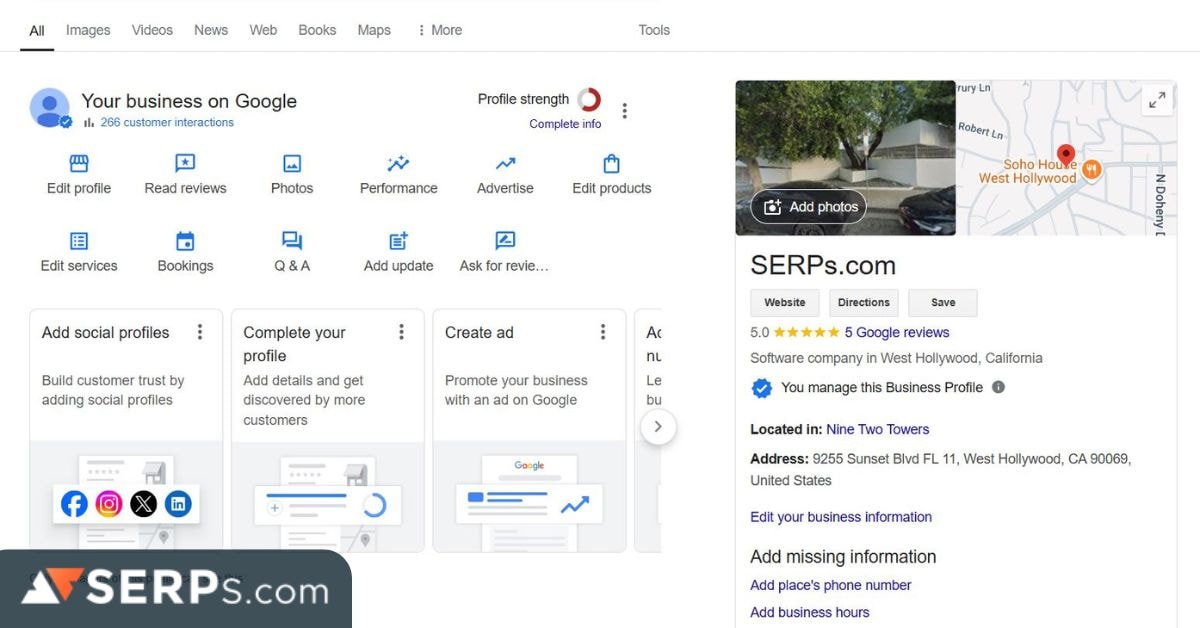
- Leverage Google Business Profiles
1. Build High-Quality, Localized Backlinks
Local SEO and online authority depend on high-quality, localized backlinks. A good local link-building approach seeks backlinks from respected local news sites, blogs, and directories. You can find relevant local media to submit original articles, press releases, or events demonstrating your business’s community participation. This will help you secure backlinks and boost local exposure.
Consider partnering with local influencers and companies for mutual benefit. Influencers can promote your services by connecting to your website, and you can provide them with items or services in exchange. Join local charities, organizations, and events to boost your profile and get backlinks. You can also sponsor or stage local events to get local publicity and links.
Finally, get your agency listed in local and industry directories for backlinks. Strategically using connections and providing excellent local content may boost your backlink profile, search engine rankings, and visibility in your target areas.
2. Get NAP Consistency Across Multiple Locations
Maintaining consistent Name, Address, and Phone Number (NAP) information across local directories and citations is crucial for local SEO Google. This is because Google uses precise NAP data to validate a business’s validity and relevance, especially for multi-location enterprises.
Inconsistent NAP information might confuse search engines and customers, lowering search ranks and reliability. Therefore, ensuring that your NAP details are uniform across all platforms—such as Google My Business, Yelp, and industry-specific directories—is essential for optimizing local visibility.
For clients with different locations across the country, BrightLocal or Yext may be very helpful in managing and auditing NAP data.
BrightLocal lets you audit, find anomalies, and track citation growth to see your NAP information across platforms. Yext, on the other hand, provides a centralized dashboard for managing company listings, allowing you to change NAP information across many directories simultaneously.
Regular audits utilizing these tools will help you maintain accuracy, rapidly discover inconsistencies, and ensure all listings match. Prioritizing NAP consistency can help you gain more trust from the target audience and improve local search success.
3. Guest Blogging for Multi-Location Clients and Building Trust

Guest blogging is an effective strategy for multi-location clients to build authority and trust, which Google recognizes as critical factors for improving search engine rankings. Businesses can enhance their visibility by contributing high-quality content to industry-specific blogs with a local focus.
This also allows them to establish themselves as experts in their field. It also helps them to build brand awareness and drives valuable backlinks to individual location pages, which is vital for local SEO.
To successfully implement guest blogging, start by identifying reputable blogs and websites that cater to your target audience and have a local focus. Reach out with tailored pitches that highlight your expertise and suggest relevant topics that align with the blog’s content.
When writing your guest posts, ensure the content is informative, engaging, and optimized with localized keywords relevant to each location. Include links to your location pages naturally within the content to give readers direct access to your services.
Additionally, actively engage with the blog’s target audience by responding to comments and sharing your post on social media. This fosters community interaction and reinforces your business’s commitment to local engagement.
Multiple-location clients can build trust, authority, and a robust online presence across different regions by consistently leveraging guest blogging opportunities.
4. Leverage Google Business Profiles
To effectively leverage Google Business Profiles (GBP) for multiple locations, optimize each listing with accurate hours, compelling business descriptions, and consistent contact information.
Use localized keywords in your descriptions to attract nearby customers. Ensure your operating hours reflect any variations, such as holiday hours, to keep customers informed.
Engaging with customer reviews is crucial; respond promptly to positive and negative feedback to show that you value customer input and build trust within the community. Additionally, use location-based posts and updates to enhance local engagement.
Share relevant promotions, events, or news to each area, encouraging interaction and fostering a sense of community. Regularly updating your GBP with fresh content and maintaining accurate information can significantly improve local visibility and customer connections across your various locations.
Optimizing for Google Maps and the Local 3-Pack
Focus on three main things to get your clients into the prized Google Maps 3-pack:
- Improving their Google Business Profile (GBP) listings
- Creating local links
- Getting good reviews from people in their area.
Ensure every GBP entry is complete and correct, with consistent Name, Address, and Phone Number (NAP) details. Additionally, local links from trustworthy directories make your site even more authoritative and visible.
You can also ask your happy customers to leave reviews because better scores and more reviews show that you are trustworthy. As a result, it helps increase your business’s Google rank in local searches. Businesses can improve their visibility on Google Maps by doing all these things together.
Handling Duplicate Listings and Merging Business Listings:
Managing duplicates and maintaining search engine rankings requires Google Business Profile (GBP) entries, particularly for companies with many locations. To find duplicates that may result from inconsistent business names or locations, start by regularly auditing your GBP.
To see and examine entries related to your company, use tools such as Google’s Business Profile Manager. Once duplicates are identified, merge them into a single, optimized listing to consolidate authority and avoid confusing potential customers.
To avoid future duplication, make sure all NAP data is identical across platforms. Monitor your GBP regularly to maintain a consistent, powerful presence in local search results.
5 Technical SEO Techniques to Improve Google Ranking
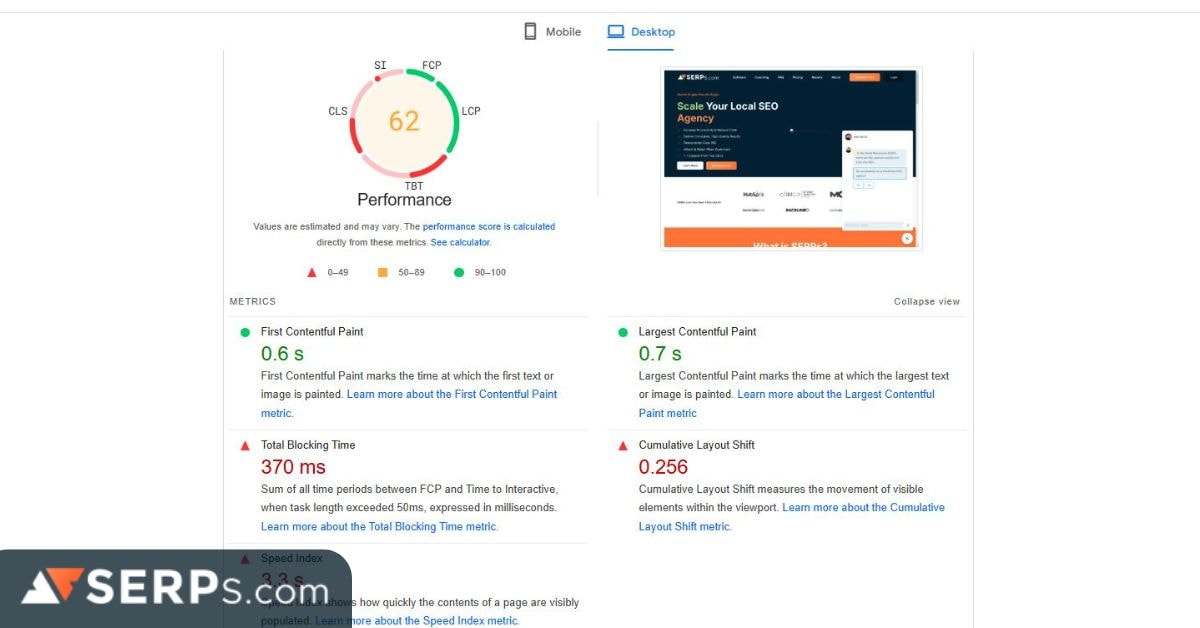
In local SEO, advanced technical strategies are essential for enhancing Google ranks and setting your clients apart. These methods improve user experience and show search engines that your client’s website is reliable.
These innovative approaches give businesses an edge in local search results, increase traffic, and boost conversions. The following five technical SEO approaches improve search exposure by optimizing website performance, indexing, and security.
- Improve Site Speed Optimization
- Set Up an XML Sitemap
- Optimize for Local Crawling and Indexing
- Switch to HTTPS for Security
- Implement Structured Data Markup for Local SEO
1. Improve Site Speed Optimization
Optimizing site performance is crucial for boosting user experience and search engine results for your client’s location-specific pages. In addition to keeping users interested, a fast-loading website lowers bounce rates, improving general on-page SEO performance.
To improve page speed, start by identifying performance bottlenecks with tools like Google PageSpeed Insights, GTmetrix, or WebPageTest. These instruments offer thorough analyses together with ideas for development.
Image compression is also an efficient method of improving site speed. Compressing High-quality photos without compromising quality may significantly reduce load times.
Lazy loading is another technique that speeds up the first-page load by delaying the loading of pictures and videos until they are displayed on the user’s screen.
Furthermore, you may improve load speed by using a material Delivery Network (CDN) to disperse your material among several servers throughout the globe, enabling consumers to obtain data from the closest place.
Frequent page speed monitoring and the use of these methods will produce quicker, more efficient location-specific pages. This will enhance your customers’ rankings in local search results and increase visitors’ experience.
2. Set Up an XML Sitemap
You need to use an XML sitemap to ensure that Google Search scans all of your client’s location-specific sites.
To create your XML sitemap, list all the essential URLs, including every location page. To help Google and other search engines determine how valuable each page is, each entry should have the full URL and may also include other information, such as the most recent date it was changed and its importance.
You can either make the sitemap file by hand in XML format or use an app that makes sitemaps, such as Lucidchart. Adding an independent entry for each location-specific page will help make sure that they are crawled and indexed correctly.
Put your finished XML sitemap in the root path of your website and send it to Google Search Console so that it can be crawled. You can update the sitemap to show any changes, like adding new location pages or making small changes to old ones.
A well-organized XML sitemap makes your site easier to read and improves your chances of ranking high in local search results.
3. Optimize for Local Crawling and Indexing
Optimizing local crawling and indexing involves configuring your robots.txt file and correctly setting canonical tags for location-specific pages. The robots.txt file should allow Google and other search engines to crawl essential pages while blocking irrelevant sections, ensuring optimal indexing.
Canonical tags prevent duplicate content issues, especially for businesses with multiple locations. Each location page should have a canonical tag pointing to itself, signaling to search engines that it is the original content.
This prevents confusion and helps maintain the authority of each page. Properly configuring these elements improves local on-page SEO performance and enhances your site’s overall visibility in search results.
4. Switch to HTTPS for Security

Switching to HTTPS is necessary to protect your client’s website and build trust among users and search engines. HTTPS (Hypertext Transfer Protocol Secure) encrypts the data sent from the user’s computer to the server. This keeps private data safe from attacks like data breaches and man-in-the-middle attacks.
Google gives more weight to safe websites in its ranking system. This means that having HTTPS can help your clients reach higher in search results. Users are also more likely to believe and interact with a website that has a padlock icon in the address bar. This means that the link is safe.
Businesses with more than one address or subdomain need to ensure that all their pages and subdomains are safe with HTTPS. This comprehensive approach builds trust with users and follows best practices for local SEO, leading to higher ranks and a better experience for all users.
5. Implement Structured Data Markup for Local SEO
Implementing structured data markup, specifically Schema.org, is crucial for enhancing local SEO. This code would help search engines understand and show essential business details, like reviews, addresses, hours of operation, and areas served.
First, figure out which schema types are suitable for your business, such as LocalBusiness. You don’t need to know much about writing to make the necessary code. You can use tools like Google’s Structured Data Markup Helper to generate the necessary code without extensive coding skills.
After adding the structured data to your website’s HTML, validate it using Google’s Rich Results Test tool to ensure accuracy. This process improves how your business appears in search results, potentially leading to higher click-through rates and visibility in local searches.
For agencies seeking to optimize their local SEO strategies further, SERPs.com offers coaching services that guide you through effective schema implementation. This support can help streamline your efforts and maximize your online presence across various locations.
Tracking, Monitoring, and Adjusting Your SEO Strategy
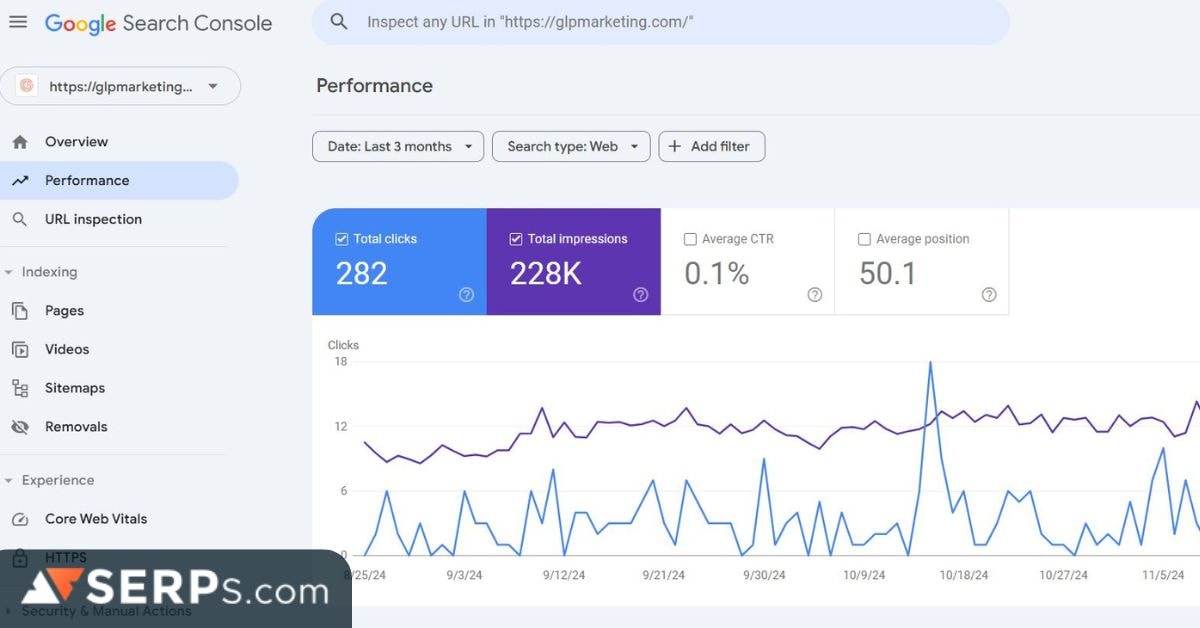
Tracking and adjusting your SEO strategy is vital for improving visibility and performance. Use tools like Google Search Console to monitor indexing, keyword success, and traffic for each location page. This helps you identify areas for improvement and refine your strategy to stay ahead of the competition.
Using Google Search Console
Start by proving your website in Google Search Console. This will let you keep an eye on indexing and search success.
After everything is set up, you can look at the Performance report to see how each location page performs. Pay attention to metrics such as clicks, impressions, and click-through rates (CTR) to gauge effectiveness.
It is also essential to submit sitemaps through the Search Console so that Google can crawl your site properly. Additionally, check the Coverage report often to fix any location-specific crawl issues that may arise.
Monitoring Algorithm Changes and Competitor Analysis
You must keep up with updates to Google’s system to rank higher in local SEO.
Agencies can keep an eye on what their rivals are doing in each local market with the help of tools like SEMrush and Ahrefs. By looking at what your competitors are doing, you can find holes in your strategy and make changes to fix them. You can stay ahead of the competition with these tools, which give you information about phrase results, backlinks, and the health of your site.
SEO Issues That Hurt Your Rankings (And How to Fix Them)

- Identify common SEO issues like slow page speed, broken links, duplicate content, and poor mobile optimization.
- Explain how these issues negatively impact Google rankings and user experience.
- Provide solutions for each problem (e.g., optimize images, fix broken links, use responsive design).
- Mention the role of Core Web Vitals in diagnosing technical SEO issues.
- Recommend SEO tools like Google Search Console, Ahrefs, or Screaming Frog to track and fix problems.
Boost Your Google Rankings with SERPs Today
SEO agencies can significantly enhance their strategies for local and multi-location clients by implementing effective tracking, monitoring, and adjustment techniques.
By using Google Search Console, agencies can monitor indexing, keyword performance, and traffic for each location page. This allows for timely adjustments based on data-driven insights, ensuring that each page remains optimized for local search.
Additionally, staying updated with Google’s algorithm changes and conducting competitor analysis using tools like SEMrush or Ahrefs can provide valuable insights into market dynamics.
Understanding how competitors perform in various local markets enables agencies to refine their strategies and maintain a competitive edge. Agencies should implement these tactics immediately to drive better client results across different regions.
SERPs.com can help agencies streamline their efforts by providing automated solutions that can simplify the creation of SEO-optimized landing pages tailored to specific locations. Contact us to elevate your agency’s performance and deliver exceptional client results today!
Frequently Asked Questions About Ranking Higher on Google
How Do I Increase My Google Search Ranking?
To boost your Google rankings, focus on technical SEO, on-page optimization, and off-page strategies. Optimize content for search intent, targeting high-value keywords and structuring it well. For multi-location businesses, create local landing pages to improve local SEO. Enhance site speed and Core Web Vitals using tools like Google PageSpeed Insights and Lighthouse. Finally, build high-quality backlinks to increase domain authority.
How Do I Appear on Top of Google Search?
To rank at the top, focus on optimizing competitive keywords and improving user experience. Implement schema markup to enhance content visibility, use internal linking to guide Google’s crawlers, and target transactional keywords to attract users ready to act. For multi-location businesses who want to know how to do local SEO, automated tools like our Mass Page Builder streamline local SEO content efforts.
How Can I Improve My Google Rating?
Boost your Google rating by optimizing your Google Business Profile with locally relevant keywords and by encouraging positive reviews. Respond to negative reviews professionally and ensure NAP consistency across listings. Keep your profile updated with photos, service categories, and posts to foster engagement and improve local rankings.
How to Increase Google Ranking for Free?
You can improve your ranking for free by optimizing title tags and meta descriptions with local keywords. Use internal links to improve site structure, and earn high-quality backlinks through guest posting and directory listings. Additionally, optimize for Core Web Vitals, focusing on mobile responsiveness and site speed.
What Are The Fastest Ways To Improve Google Rankings?
Start by running a full audit with tools like Screaming Frog and Google Search Console to identify broken links, duplicate content, and indexing errors. Refresh old content with new keywords and links, and build relevant backlinks from local directories. Long-tail keywords are easier to rank and attract high-intent traffic, so prioritize them in your strategy, and you’ll improve your Google rankings.
How Does Content Quality Affect Search Rankings?
Google favors content that directly answers user queries. Ensure your content is well-researched and structured with bullet points, FAQs, and multimedia elements. Internal links improve user navigation, helping both engagement and SEO performance.
What Are The Best SEO Strategies For Higher Rankings In 2025?
In 2025, Google will prioritize user experience signals such as page speed and mobile usability. AI-driven tools, SurferSEO and ChatGPT, will assist in smarter keyword placement, while EEAT (Experience, Expertise, Authority, Trustworthiness) will play a larger role in content rankings. Focus on these areas to stay ahead.
How Can I Get More Backlinks To Boost My Rankings?
Build high-quality backlinks through guest blogging and HARO (Help a Reporter Out). Reach out for unlinked brand mentions, and get listed in local directories like Yelp, GBP, and BBB. These strategies enhance your authority and improve local SEO performance.
What Role Does Page Speed Play In Google Rankings?
Page speed impacts rankings, bounce rates, and user experience. Compress images with tools like TinyPNG, enable browser caching, and use a CDN to improve load times, particularly for global visitors.
How Do Keywords Impact Google Search Rankings?
Strategically place primary keywords in titles, meta descriptions, headers, and body content. Long-tail keywords attract high-intent users and improve conversions, while semantic keywords help you rank for related search terms.
Premium Geo Page Creation at Scale
Join the best and brightest local SEO experts and start driving traffic to your sites at scale.