
Search engine optimization, or SEO, is the process of enhancing a website’s visibility in search engine results pages (SERPs), particularly on Google. This is the key to building a successful business, increasing your visibility, and attracting more customers to your website. However, Search engine optimization isn’t only about link development and keyword research. It also ensures that your website provides a fantastic user experience, establishes a strong brand presence, and offers compelling content.
So, what do you need to balance when doing SEO? You have to consider everything from relevance, quality, technological performance, and even your unique audience connection. Search engines like Google utilize intricate algorithms to determine which results to display to users. These algorithms are constantly changing, and the newest trend is having user experience, brand visibility, and niche-specific content.
Serps is a local SEO software utlizied by top agencies worldwide which can help you to save your time and deliver premium results if you run a WordPress agency. It helps you to produce landing pages with personalized and high-quality content. Book an intro call with our team and see how we can help you in elevating your SEO game.
This blog post would discuss , how to balance crucial aspects for SEO success. Understanding these variables can help you rank higher, attract more visitors, and engage with your audience, whether you own a website or a WordPress agency.
Balancing Key Elements for a Successful SEO Campaign
 Balance is a big part of a good SEO strategy. It’s not just about getting to the top of search results; it’s also about staying there without getting penalized by search engines. Over-optimization can get you in trouble, just like stuffing your site with keywords or making backlinks that don’t belong there. Therefore, it’s very important that you find the right mix in your SEO plan.
What do you need to balance when doing SEO?
On-Page SEO Optimization and Off-Page SEO Optimization are two critical factors that can help to improve your site’s rankings. In simple terms, on-page SEO optimization is about optimizing the keywords in your site’s content, meta tags, and internal links contained in the site. On the other hand, off-page SEO has to do with external factors such as backlinks, social signals, and domain authority. This is why achieving the balance between these two can be challenging, but it’s important for achieving steady growth.
For a solopreneur, you may feel that managing both is rather challenging to do alone. Therefore, firstly, focus on on-site SEO elements, such as producing quality content, optimizing website design for mobile devices, and so on. Then, expand your approach to off-site SEO tools, including guest posting and link building.
An effective SEO campaign involves juggling various elements, from keyword research and content creation to link-building and technical optimization. Therefore, if you focus too much on one area can leave your site vulnerable. Instead, aim for a holistic approach that addresses all these components equally. Remember, SEO is not a one-time effort but a continuous process of refinement and adaptation.
Moreover, if you’re handling SEO yourself, your approach may differ from those working in a team or for clients. Solopreneurs often need to be more resourceful, prioritizing tasks that provide the most significant impact, like content optimization and local SEO. For teams or agencies, dividing roles—such as having dedicated content creators, technical experts, and link-building strategists—can make balancing different SEO aspects more manageable.
Prioritize what you need to balance when doing SEO!
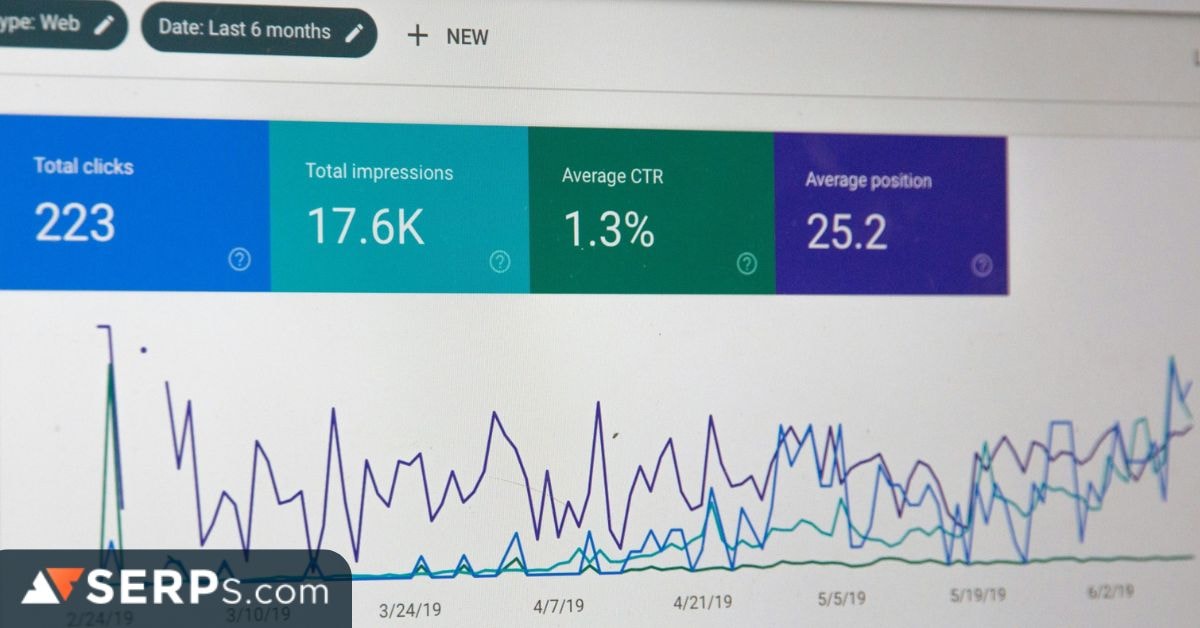 Starting SEO requires starting with the basics. Any good SEO strategy needs a solid base. That’s why, first, you should do technical SEO to make your website fast, mobile-friendly, and organized. The basics assist search engines in crawling and indexing your site.
Additionally, set up Google Analytics and Google Search Console. These tools are essential for site performance tracking. They show you where your traffic comes from, which keywords drive it, and where to improve. Not tracking is like driving blind—you won’t know what’s working.
Once technical setup and tracking are complete, make a plan. Find the relevant keywords, provide useful content, and generate excellent backlinks. These elements must be balanced. Focusing too much on one area can ruin your site.
Remember, successful SEO isn’t about quick wins; it’s about steady growth. Prioritizing and balancing these fundamental steps will help you build a strong foundation and achieve lasting results.
Keyword Strategy: Quality over Quantity
Quality over quantity is crucial to a successful keyword strategy. Correct keyword selection is vital. Getting in front of the right people is more crucial than traffic. Therefore, use keywords relevant to your content and audience needs. Predict search engine queries and make sure they fit your content.
Plus, you need choose between long-tail and short-tail keywords.There are two types of keywords: short-tail, which refer to more general topics like “hiking trails,” and long-tail, which are more targeted, such as “best hiking trails in Northern California.” Because of their lower competition and higher likelihood of attracting potential customers, long-tail keywords should be prioritized. However, There needs to be a balance, because short-tail keywords typically aren’t very targeted and are more generic, but they do get more clicks.
You must also find the right mix between keyword usage and content readability. Keyword stuffing makes writing sound robotic and unnatural, which readers will find off-putting. This strategy can hurt your site’s ranking and reputation. Keep your writing natural and provide your readers with something useful.
Many tools, such as Google Keyword Planner, SEMrush, and Ahrefs, can help you find the best keywords. These tools reveal your competitors’ keyword strategies, search traffic, and difficulty. These tools assist you in choosing the most relevant keywords for your goals to create a smarter keyword strategy.
Content Creation: Relevance over Volume
 Create content with relevancy in mind rather than quantity. More important than quantity is the relevance of your content in terms of its importance, informational value, and entertainment value. Keeping your audience informed should be your primary goal at all times. You must respond to your customer’s questions or resolve their problems. Once people find value in what you have to offer, they will interact, share, and come back for more.
Learn about your target audience as well to ensure that the content you provide meets their demands. What kinds of questions do they ask? How should they be resolved, in your opinion? Find the answers to these queries, then use the information to produce content that is suited to their requirements. Your article should clearly address readers’ questions, offer advice, or voice an opinion.
Furthermore, you must strike the ideal balance between the quantity and quality of content published. Maintaining a regularly updated site is fantastic, but you shouldn’t skimp on quality. Too much posting could lead to bland, uninspired posts. Due to search engines’ preference for quality over quantity, sparse content negatively impacts SEO. Poor-quality material negatively impacts engagement, search engine rankings, and bounce rates.
Instead, focus on crafting less content of higher quality and value. As part of your SEO strategy, check your content regularly, optimize it for crucial keywords, and generate valuable, well-written content. Prioritizing standards and relevance enhances user engagement and search engine performance.
Technical SEO: Performance & User Experience – No Compromises!
There should be zero compromise between performance and user experience when it comes to technical SEO. Visitors hate slow pages, and search engines hate them, too. A slower site may have less visibility because Google ranks page speed. The speed at which a page loads has a significant effect on both. If they have to wait for your site to load, they won’t stick around to see your content.
To speed up your site, you should begin with Google PageSpeed Insights, GTmetrix, or Pingdom. These tools analyze your site and provide suggestions to make it faster, including utilizing smaller code, compressing graphics, or switching to servers with more processing power.
Your site needs to be responsive for it to be accessible on both computers and smartphones. Since search engines prefer mobile-friendly websites, SEO requires a responsive design. Optimize your site for mobile first and make sure your site loads fast and is easy to navigate. Modifications as minor as increasing the font size, eliminating pop-ups, and adding clickable buttons can also have a significant impact on making your site more responsive.
You must also ensure that search engines can crawl and index your site. Robots.txt and XML sitemaps are useful in this case. An XML sitemap helps search engines understand your site’s pages, while robots.txt tells them what to crawl and what to leave alone.
By fixing these issues and improving your technical SEO, your site’s performance and user experience will be enhanced, leading to happier visitors and higher search engine rankings.
Link Building: Quality vs. Quantity
 Quality is prioritized over quantity when linking. Reputable websites’ backlinks can improve your site’s SEO and authority. In addition to having a lot of links, you also need the right ones. Few high-authority links have a value far higher than hundreds of spammy links. Create engaging blogs, fresh research, or thorough tutorials to naturally produce excellent links.
Avoid dodgy or unrelated websites to avoid spammy or low-quality links. Search engines can rapidly find links and link schemes; therefore, avoid purchasing them since they will punish your website. Instead, seek links from industry leaders, directories, or specialized blogs that relate to your material.
Moreover, your internal link structure is also important. The pages on your website needs to be internally linked. This will simplify site navigation and help search engines grasp content hierarchy. Good internal links can help SEO by directing traffic to essential sites and spreading “link juice” throughout your site.
Internal linking should also be balanced between link types. Use both dofollow and nofollow links appropriately. Dofollow links pass on authority or “link juice” to other pages, while nofollow links do not. Both types have their place in a healthy link profile. Also, balance text links and image links—though text links with relevant keywords are often more effective for SEO.
High-quality backlinks, a solid internal link structure, and balancing different sorts of links will strengthen your SEO strategy and boost search engine rankings and user experience.
Analytics and Adjustments: Tracking Progress & Making Improvements
Regarding the performance of your website, analytics and adjustments are your best friends! Testing several SEO techniques will help one to see what works and what does not. You must monitor the data since not every approach will produce the same outcomes.
Tracking your progress closely will help you identify trends and know what’s driving traffic or boosting rankings. From that time, you can use data-driven judgments to modify your strategy and improve your results. Remember, it’s all about learning from the results and continually making small adjustments to stay on top!
Monitoring SEO Performance
 SEO performance is like website health—if you don’t know what’s happening, you can’t improve it! To truly assess your SEO efforts, you must monitor a few critical metrics that provide the details.
First up is organic traffic. You may see how many search engine visitors your site gets without adverts. Consider it the heart of your SEO campaign. If your organic traffic is rising, your content is ranking high and attracting the correct audience. If not, reconsider your keywords or article quality.
Check your bounce rate next. This is the percentage of site visitors who leave after one page. A high bounce rate may indicate that your content isn’t engaging, your website is slow to load, or visitors aren’t finding what they need. To minimize your bounce rate, write entertaining, easy-to-read, and audience-relevant content.
Additionally, the conversion rate is a major SEO factor. This indicator displays how often visitors join up for a newsletter or buy something. A high conversion rate suggests your site is winning over visitors and getting them to act. This lets you identify your top pages so you can copy them elsewhere.
Now, how do you keep an eye on all these important numbers? You need the right tools! Google Analytics is essential for SEO professionals. It reveals where traffic comes from, how visitors behave on your site, and their actions. Another wonderful tool is Google Search Console. It shows how your site looks in Google’s search results, which keywords drive traffic and any technical issues that may be affecting performance.
Monitor these critical KPIs with Google Analytics and Search Console to make data-driven SEO decisions. Always remain on top of the game, know what works, and make minor modifications that can yield enormous results!
Ongoing Optimization
 With search engine optimization being a dynamic and ever-evolving field, one thing is crystal clear: SEO is an ongoing process. To maintain a strong online presence and stay ahead of the curve, constant optimization is important. This requires that you need to have a mindset of constant adaptation, as both search engines and consumer tastes are subject to change.
Continuous optimization is necessary for many reasons, one of the most essential being the frequent changes to search engine algorithms. Google is a prime example; the search engine makes hundreds of algorithmic changes every year, with major updates often influencing page ranks. Maintaining the visibility and relevance of your website for your target audience depends on your ability to monitor these changes and adjust your approach accordingly.
Tips on creating high-quality content
In order to achieve continuous optimization and rank higher on a search engine, it is crucial to create high-quality instructional content. Search engines give websites that value users top priority. Therefore, it’s important to post engaging, relevant content consistently. Not only does this boost your search engine rankings, but it also strengthens your relationship with your audiences. Here are some tips on producing high-quality content that will help your page to rank higher on search engines.
- Know your audience. Consider their interests, issues, and learning goals.
- Provide Real Value by creating useful material. It should answer queries, solve issues, or instruct.
- Write Catchy Headlines and use a clear, engaging tone to entice readers.
- Write in simple, welcoming language. Try to avoid huge, complex terms.
- Organize your content by dividing your text into headings, bullet points, and short paragraphs. This simplifies reading and comprehension. Use graphics, videos, and charts to make your material more engaging and understandable.
- Use searchable keywords naturally. Don’t overuse keywords to mislead search engines.
- Use reliable sources for information and data. Your material becomes more trustworthy.*reword
- Check your writing for errors in grammar and spelling. Your content writing needs to be smooth and should make sense.
- Update content regularly to keep it helpful and accurate. Readers value fresh content.
- Encourage Reader Participation. Let people comment, ask questions, and share your content with others.
- Use tools to track which material gets the most views and shares.
Tips on creating Geo pages
Geo-targeted pages are another quick-win optimization method. To create an effective geo-targeted page, here are some tips:
- Target specific locations by making pages for each city, town, or location you want to target. Indicate the location in the title and text.
- Use local keywords like “best pizza in [city]” or “plumber near [town].” This helps local service seekers locate your page.
- Include instructions, landmarks, and activities for local tourists. This makes your page more audience-relevant.
- Make your address, phone number, and email visible. Add a map to indicate your location.
- Include local photos of your business, products, and services. Your page becomes more authentic and relatable.
- Write about local stories and share consumer experiences and testimonials. This establishes audience trust and community involvement.
- Use Schema Markup because local business schema markup helps search engines comprehend your address, phone number, and hours.
- Make Each Geo Page Unique. Don’t copy and paste the same content. Add unique details and information to each page.
- Create internal links between your geo pages to help search engines and users to navigate your site.
- Optimize for Mobile Users. Many people search for local services on their phones and tablets, so make sure your geo pages load quickly and look appealing.
By tailoring your content and optimizations to specific locations, you can tap into local search demand and outrank the competition. Websites like SERPs.com are invaluable for local SEO, offering specialized tools to optimize content for specific areas. The Mass Page Builder from SERPs.com is particularly effective, streamlining the process of creating multiple geo-targeted pages. This automation allows businesses to quickly expand their reach, capture more traffic, and maintain a competitive edge.
By embracing ongoing optimization and staying adaptable to the ever-changing search landscape, you can build a sustainable online presence that drives long-term success for your business.
What do you need to balance when doing SEO? – Learn from the best!
There must be a balance in every search engine optimization strategy that you adopt to rank your website higher. For instance, to create valuable and relevant content, you should maintain a balance between content creation, posting, and keyword research.
Moreover, you must also balance your technical SEO, such as optimizing page speed, using responsive design, and ensuring search engines can easily crawl and index your site. Don’t forget the significance of quality backlinks and a strong internal linking structure to boost your site’s authority and user experience.
It is important to maintain this balance in every aspect of SEO because SEO is not just about doing a single thing right or implementing a single SEO strategy and expecting multidimensional results. It is more than that; you need to ensure that every piece of your SEO strategy works together and creates a smooth, engaging, and effective experience for users and search engines. By carefully tracking your performance and making adjustments as needed, you can keep improving and stay ahead of the competition.
SERPs.com stands out as a trusted partner in the SEO landscape. With its strong tech stack and white-hat strategies, they can help you improve your SEO and achieve scalable growth while enhancing client retention. Contact SERPs today to take your SEO efforts to the next level by balancing your strategy effectively and achieving remarkable results.
Premium Geo Page Creation at Scale
Join the best and brightest local SEO experts and start driving traffic to your sites at scale.